Can a Marriage Survive Infidelity? What Recovery Actually Takes
Can a marriage survive infidelity? An honest look at what recovery actually takes, what surviving really means, and when staying—or leaving—is healthier.

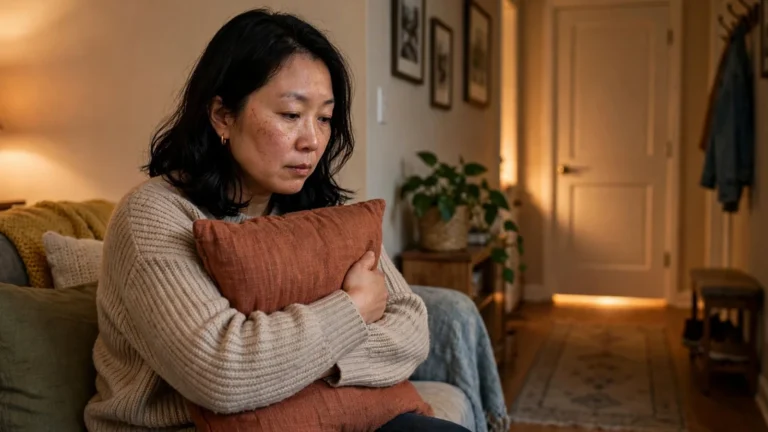
The discovery rarely looks like a movie scene. More often it’s quieter and somehow worse: a phone left face-up on the kitchen counter, a name that keeps appearing, a story about working late that doesn’t line up with the credit card charge.
Then you’re sitting at the kitchen table at 11 p.m., asking the question underneath all the other questions: Is this over, or is there something left here worth fighting for?
If that’s where you are tonight, this page won’t give you a pep talk. It will give you an honest answer.
A quick note: this article is general information, not a substitute for professional help. Infidelity shakes mental health, safety, and sometimes finances in ways a blog post can’t sort out. Please consider working with a licensed therapist — individually, as a couple, or both — and if there is any coercion, threats, or fear in your home, reach out to a trusted local support service right away.
The Honest Short Answer
Yes, some marriages survive infidelity. Some even become more honest than they were before. But survival is never promised, and it is never the same marriage simply patched back together.
That distinction matters. A lot of couples ask, “Can we get back to how we were?” when the truer question is, “Can we build something honest from here — and do we both actually want to?”
The Gottman Institute’s work on trust recovery (gottman.com) makes a point worth sitting with: trust comes back through repeated, everyday proof over time, not through one dramatic apology or one good weekend. Shirley Glass, in her book Not Just Friends, wrote about how affairs often grow out of blurred boundaries long before anything physical happens. Esther Perel, in The State of Affairs, asks couples to get curious about what the affair meant, without treating that curiosity as an excuse.
Three different voices, one shared thread: recovery, when it happens, is built. Slowly. On purpose. By both people.
If only one of you is building, that’s not recovery. That’s one person dragging a marriage behind them, and it doesn’t hold.
What Surviving Can Actually Look Like

Surviving does not mean returning to the version of your marriage that existed before you knew. That version is gone, and grieving it is part of this — even if you stay, even if things get good again.
What surviving can look like is plainer and, in its own way, stronger. It looks like a couple at that same kitchen table six months later, able to talk about an ordinary Tuesday without the affair swallowing the whole conversation. It looks like the phone left out in the open without either of you making a speech about it. It looks like laughing at burned toast and feeling surprised that laughing is still possible.
It also looks like hard moments that don’t erase progress. A song, a hotel name, a date on the calendar can bring the whole thing rushing back, sometimes long after things seemed steadier. That isn’t failure. That’s how this kind of hurt moves: forward, then sideways, then forward again.
Couples who come through this tend to describe a more deliberate marriage. They say the uncomfortable things earlier. They know their weak spots. Many say they would never choose what happened — and also that the honesty on the other side of it is real. If you’re wondering whether rebuilding is even possible, the couples in can trust come back after infidelity describe the same pattern: less pretending, more proof.
What surviving does not look like: one partner “over it” on a deadline, or both of you agreeing never to mention it again and calling that peace. Silence isn’t healing. It’s just quieter damage.
The Non-Negotiables If You Try to Stay

Every couple sets their own terms, but the recoveries that hold tend to share the same floor. Think of these as load-bearing walls. Remove one, and the rest usually comes down.
The affair has to actually end. Not fade out, not become “just friends,” not continue in a smaller, deniable form. Contact stops, and if the other person is part of daily life, the couple makes a real plan for how that changes. Half-endings are where trust goes to die.
Honesty has to replace damage control. The partner who strayed answers questions truthfully, without trickling out facts over months. New discoveries restart the clock every time. This is covered more deeply in rebuild trust after lying, but the short version is simple: a painful truth told once heals faster than a comfortable lie uncovered three times.
Transparency runs for a season. Shared passwords, open calendars, honest answers about whereabouts — not as a life sentence, but as training wheels while trust is rebuilt. The purpose is steady proof, not punishment. If it turns into permanent surveillance, that arrangement needs a therapist’s help adjusting.
Each of you needs your own support. The betrayed partner needs somewhere to say the raw, unfiltered version out loud. The partner who strayed needs somewhere to face how they got there — because “it just happened” is never the whole story. Friends can help; a licensed therapist or support group can help in ways friends can’t.
The reasons get faced, not buried. An affair is a choice, and responsibility sits with the person who made it. Full stop. At the same time, couples who recover eventually look at the marriage around the affair: the distance, the resentments, the conversations that stopped happening. That isn’t blame-sharing for the betrayal. It’s making sure the rebuilt house doesn’t have the same leak in the roof.
A Realistic Timeline (It Is Slower Than You Want)
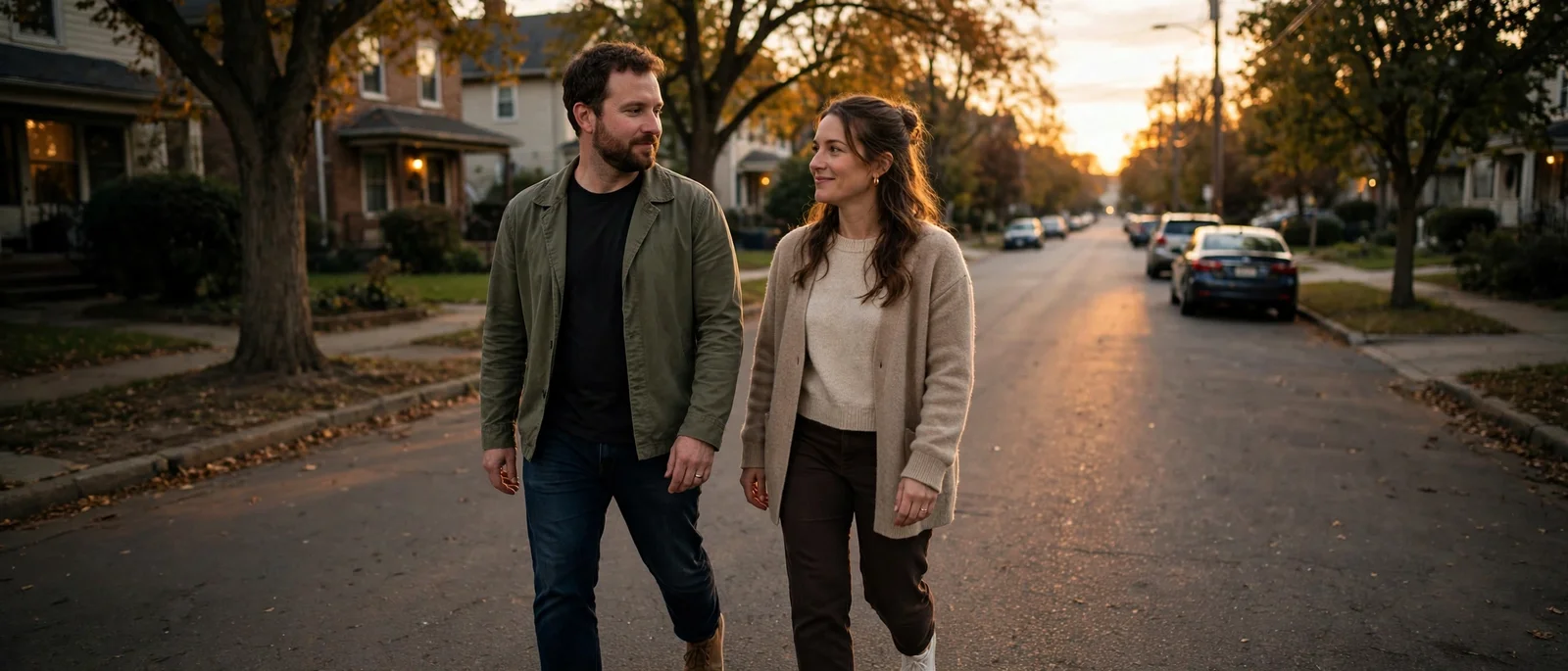
Nobody can hand you a calendar, and anyone who promises one is selling something. But it helps to know the terrain, because the most common reason couples quit isn’t that recovery is impossible — it’s that they expected month three to feel like year three.
The first stretch is usually crisis. Sleep is broken, appetite is off, the same questions come up at 2 a.m. that were answered at dinner. That’s normal after a betrayal. The goal here isn’t big decisions; it’s steadiness — eating, sleeping, no irreversible moves made at midnight, and getting support in place.
The middle stretch is where the real work sits. The shock fades enough for harder questions: How did we get here? What has to change? Can I watch this person become trustworthy in small, boring, daily ways? This is also where many couples stall, because all that’s left is Tuesday-after-Tuesday effort. If you’re in that stage, how long to rebuild trust walks through why healing rarely runs in a straight line.
The later stretch is a decision that quietly makes itself. At some point you notice the affair is a chapter in your story rather than the whole book. You still remember. It still matters. But it no longer runs every room in the house.
For many couples, that takes well over a year of consistent work — sometimes longer, and the honest truth is that the timeline stretches every time a new lie surfaces. Healing begins, in a real sense, the day the last secret comes out. That’s one more reason the honesty piece above isn’t optional.
When Ending the Marriage Is the Healthier Choice
Staying is not the prize. A healthy life is the prize, and sometimes that life is on the other side of a marriage ending.
Ending is likely the healthier path when the affair hasn’t actually stopped, when new lies keep appearing, or when the partner who strayed refuses to take responsibility and instead blames, minimizes, or rushes you to “move on.” It’s also the healthier path when there is abuse, intimidation, or fear — safety comes before any conversation about repair.
Sometimes the reason is quieter. You did the work, both of you, for a long time, and the trust simply didn’t come back. Or it did, and you realized you don’t want the life that comes with it. Choosing to leave after honest effort isn’t failure. It’s an answer, and you’re allowed to act on it.
Children complicate the picture, but “staying for the kids” inside a house full of contempt and secrecy teaches them a lesson too. What children need most is parents who are stable, kind, and not at war — whether that’s under one roof or two.
If you land here, you haven’t wasted the effort. Knowing you tried honestly makes the next chapter cleaner than a door slammed in the first week of shock.
Situation Verdicts: If This, Then That

Every situation is personal, and no list replaces a conversation with someone who knows your life. But some patterns show up again and again.
If the affair has ended completely, the truth has fully come out, and both of you want to rebuild — then you have the raw materials recovery requires. It will be slow, it will have setbacks, and it is reasonable to try, ideally with a therapist from early on.
If your partner ended the affair but gets angry whenever you bring it up — then the affair may be over, but the recovery hasn’t started. Questions are part of healing. A spouse who demands silence is asking for the appearance of a marriage, not the real thing.
If new details keep trickling out months later — then you’re not healing from one betrayal; you’re standing in a series of them. No real recovery until the whole truth is on the table, and many couples need a therapist guiding that disclosure so it doesn’t become another ambush.
If you’re staying only out of guilt, fear, or pressure from family — then pause before you promise anyone forever. Staying can be a worthy choice, but it has to become your choice, or resentment will move in and unpack its bags.
If your partner refuses counseling outright — then go by yourself. Plenty of couples started with one person in the therapist’s office; the story in we almost didn’t go to counseling is a good reminder that the reluctant spouse isn’t always a lost cause. But if refusal stretches on while nothing changes at home, believe the pattern, not the promises.
If there is violence, threats, or fear in your home — then the question changes from “can this marriage survive” to “how do I stay safe.” Prioritize safety and local support first. Repair conversations belong in a house where nobody is afraid.
Frequently Asked Questions
Can a marriage really survive infidelity, or do couples just settle?
Some couples genuinely rebuild — not the old marriage, but a more honest one. Others stay out of fear, money, or habit, and that quiet settling is different from recovery. Real recovery includes full truth, an ended affair, both partners doing the work, and slowly returning trust. Settling has the secrecy gone but nothing put in its place.
How long does it take to trust again after an affair?
There’s no fixed schedule, and healing isn’t a straight line. Many couples find it takes well over a year of consistent honesty and effort before trust feels steady — and new lies restart the clock. Progress tends to look like good weeks interrupted by hard days that pass faster than they used to. If effort stays consistent, those hard days usually come further apart.
Should the betrayed partner have access to phones and passwords?
For a season, most recovering couples say yes — open access is training wheels while trust is rebuilt, and the partner who strayed offering it freely matters more than any rule imposed on them. It isn’t meant to be permanent surveillance, though. If checking becomes an hours-a-day compulsion long after behavior has changed, that’s worth bringing to a therapist, because the goal is a marriage, not a watchtower.
Do we have to go to counseling for this to work?
A few couples manage without it, but most don’t — and it’s easy to see why. A good therapist keeps disclosure honest, stops conversations from becoming ambushes, and helps each of you work on your own side of this. Individual counseling matters too: the betrayed partner needs support for the trauma of it, and the partner who strayed needs to face how they got there. Going isn’t a sign the marriage is doomed. Refusing any help while nothing changes usually is.
What if I still love my spouse but can’t imagine trusting them again?
Love and trust are two different things, and having one without the other is an honest place to be — not a problem to be ashamed of. Trust isn’t something you decide to feel; it gets rebuilt through repeated proof, or it doesn’t. Give the proof time to accumulate if your partner is genuinely offering it. If the proof never comes, the love you feel doesn’t obligate you to stay.
Keep Reading
If this hit home, these might too:
- can trust come back after infidelity
- rebuild trust after lying
- how long to rebuild trust
- we almost didn't go to counseling
- how to apologize to your wife
Going through something similar?
Share your experience anonymously with the Ever After Daily community. Every story is read by a human editor before anything is published.
Share Your Story