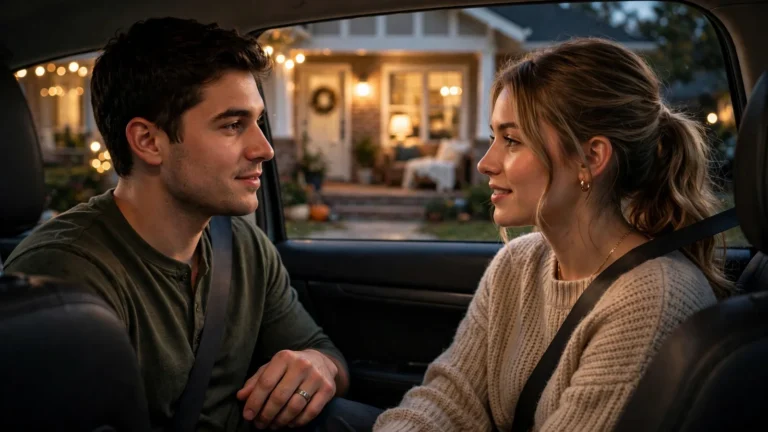
The Vacation That Finally Felt Like Us Again
We were living parallel lives and calling it a marriage. A small, cheap trip gave us three moments that did real work, and we brought the habits home.

The Vacation That Finally Felt Like Us Again
Before the trip, we were fine. That was the word we both used, and we both knew what it covered up. We ate dinner together most nights, but one of us was usually answering work messages and the other was usually scrolling. We talked, but the talking was logistics: who was picking up the kids, what was wrong with the car, whether the plumber had called back. We slept in the same bed and woke up and did it again. Nothing was broken. Nothing felt alive either.
We had talked about a big trip for years, the kind with a flight and a resort and a price tag that made us both go quiet. We never took it, because there was always a reason to wait: the roof, the kids’ schedules, the car, the credit card. Then one Friday in October, with no occasion at all, we booked two nights at a small inn two hours away. It cost less than a month of takeout. We told ourselves it was just a break from the house. It turned out to be the trip that gave us back each other.

The small trip, not the grand one

Here is the part that surprised us: the trip worked because it was small, not in spite of it. A grand trip would have given us a schedule, a resort full of activities, and a hundred decisions to make together under pressure. A small trip gave us almost nothing to do, and that emptiness is what did the work.
We drove two hours on a Friday afternoon with no real plan beyond the inn’s address. We did not book a single activity. We brought one bag each, a paperback, and a rule we made up in the car: no work messages until Sunday, and no talking about the house, the bills, or the kids’ schedules until we were driving home. The rule lasted the whole weekend, mostly because breaking it would have meant admitting we preferred logistics to each other, and neither of us wanted to be the one to do that.
The inn was old and quiet, the kind of place with a creaky staircase and a breakfast room that smelled like coffee and bacon by seven in the morning. There was no television in the room. There was a porch with two chairs and a view of nothing much, just trees and a road that went somewhere else. We sat there the first evening and talked about nothing important for a long time, and it felt strange, and then it felt good.
If you are waiting for the grand trip to fix things, stop waiting. A small trip asks less of you, costs less, and leaves room for the thing a big trip crowds out: each other, with nothing to do.
Three moments that did the work

The first moment was a wrong turn. We were driving to a lake we had read about on a brochure in the inn’s lobby, and we missed the turn, and then we missed the next one, and we ended up on a narrow road that went past farms and a closed fruit stand and a dog asleep in the middle of a driveway. At home, a wrong turn would have started an argument about who was supposed to be reading the directions. On this trip, with nowhere to be, we just laughed. We laughed hard, the kind of laughing where you have to pull over, and when we finally found the lake, it was ordinary, and we did not care, because the wrong turn had already been the best part of the day. That is when I understood something I had missed for years: we were not bad at being together. We were just never together with nothing at stake.
The second moment was a quiet breakfast. The inn’s breakfast room had four tables, and we were the only ones there on Saturday morning. There was no rush, no kids asking for things, no phone buzzing. We ate eggs and toast and drank coffee slowly, and we talked about the books we were reading, and about a trip we took before the kids, and about a house we once almost bought. Nothing on that list was important. That was the point. At home, our conversations always had a purpose: a decision, a problem, a schedule. That breakfast had no purpose, and in the absence of a purpose, we remembered how to just enjoy each other. I can still see the light coming through that window. I cannot remember a single work email from that entire year.
The third moment was a phone left in the room. On Saturday afternoon, we walked into town without our phones, because we had forgotten them, not because we were being virtuous. We walked past shop windows and held hands, the way we used to before holding hands became something we only did in parking lots while carrying bags. We stopped at a bakery and shared a pastry standing up at the counter, powdered sugar on our shirts, and we talked to the woman behind the counter about the weather, and then we walked back slowly, in no hurry at all. Without a phone in my pocket, I noticed things again: the way he laughs when he is genuinely surprised, the way he slows down when he is looking at something he likes. I had stopped noticing those things at home. There was always a screen offering me something louder.
None of these moments were grand. A wrong turn, a quiet breakfast, a walk without a phone. That is the whole list. And that list did more for our marriage in one weekend than a year of good intentions at home.
What we kept doing at home

The trip would have been a nice memory and nothing more if we had come home and gone straight back to logistics mode. We almost did. The first week back, the old pattern started to close over us again like water. Then we made a deal, a small one, and we kept it, mostly.
We kept the quiet breakfast. Not every day, because life is life, but on Saturday mornings, we eat at the table, phones in another room, no schedules discussed until the coffee is finished. It takes twenty minutes. It gives us back the feeling of that inn’s breakfast room, the sense that we are two people who like each other, with the household business set aside until the coffee is finished.
We kept the walk. Twice a week, after dinner, we walk around the block without our phones. Sometimes we talk. Sometimes we do not. The walk is the point, not the conversation. At home, we had stopped walking together because there was always something else to do. Now the walk is the something else to do.
We kept the rule about logistics. Not all day, because somebody has to remember the plumber, but we have a line now: no logistics talk after nine at night. The house, the bills, the schedules, they all wait until morning. That line gave our evenings back to us, and our evenings were the part of the marriage that had gone quiet first.
And we kept planning small trips. Not grand ones. Two nights, two hours away, no occasion needed. We take one every few months now, and each one reminds us of the same simple thing: we do not need a bigger life to feel close. We need a smaller weekend, with fewer plans, and each other, with nothing to do.
If your marriage feels like parallel lives right now, try the small trip before you try anything bigger. Book two nights somewhere close. Leave the grand trip for later. You might find, the way we did, that the trip that finally feels like you again is the one with almost nothing on the schedule.
Our guide to couples bucket list ideas is a good next read if the trip gets you dreaming again, and cheap date night ideas at home has the at-home version of the habits above. For the bigger picture of why parallel lives happen, the mental load in marriage names the weight that keeps couples in logistics mode.
Tell me in the comments: when did your marriage last feel like two people who actually liked each other, and what were you doing? I read every one, and the patterns become future articles.
Frequently asked questions
Do we need an expensive trip to reconnect?
No. A small, cheap trip often works better, because it gives you almost nothing to do and no pressure to make the money feel worth it. Two nights, two hours away, no booked activities, and a rule about work messages will do more than a resort with a schedule. The trip that reconnects you is the one with room in it.
What if we cannot get away at all right now?
Steal the habits, not the trip. A phone-free walk after dinner, a Saturday breakfast with no logistics talk, and a line against house business after nine at night are all things you can do at home this week. The trip taught us the habits. The habits are what kept working after we came home.
What if we take the trip and still feel distant?
Then the distance may be older or heavier than one weekend can fix, and that is honest information, not a failure. A trip can show you what is still there between you, and it can also show you what needs more help than a weekend away. If that happens, talk about it plainly when you get home, and consider the kind of support that goes beyond a trip.
Keep Reading
If this hit home, these might too:
- couples bucket list ideas
- cheap date night ideas at home
- the mental load in marriage
- how to travel together without fighting about everything
- cooking together is the cheapest date night that actually works
Going through something similar?
Share your experience anonymously with the Ever After Daily community. Every story is read by a human editor before anything is published.
Share Your Story