Love Languages vs Attachment Styles
Love languages say how your spouse wants love shown. Attachment styles say why you panic when it is not. Here is how the two fit together in real life.
Love Languages vs Attachment Styles
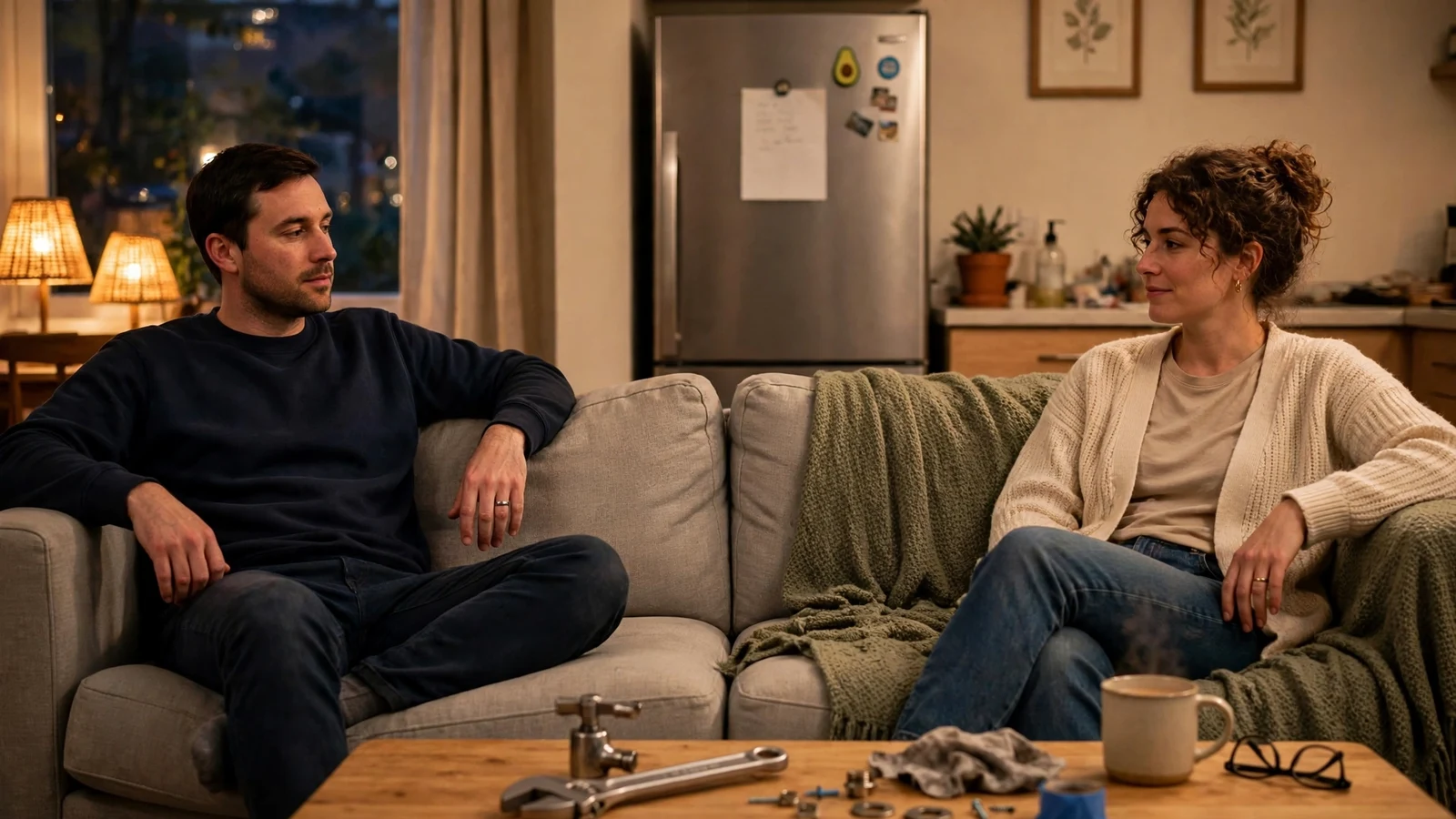
Mark shows love by fixing things. When the faucet drips, he is under the sink before Elena finishes the sentence. When her car makes a noise, he is already looking up the part. Elena shows love with words. She writes him a note on the fridge, she tells him he did a good job with the yard, she says out loud the things she likes about him. They have been married eleven years, and they both mean well, and they still have the same fight every few months.
The fight starts the same way. Elena says she feels alone in the marriage. Mark says he does not understand, because he fixed the faucet, the car, and the fence. She says none of that is what she asked for. He goes quiet. She talks more. He pulls back further. By bedtime they are in separate rooms, and neither one of them knows what just happened.
Two different maps describe that fight, and each one names a different part of it. Gary Chapman, in The 5 Love Languages (1992), says each person has a way they most want love shown: words of affirmation, acts of service, receiving gifts, quality time, or physical touch. The attachment writers, starting with John Bowlby and Mary Ainsworth and carried into adult romance by Cindy Hazan and Phillip Shaver, say each person carries a pattern from early bonds into adult love: secure, anxious, or avoidant. One map explains how you want love shown. The other explains why you panic when it is not.
A married couple, two different readings

Read Mark and Elena through Chapman’s map first. Her language is words of affirmation. His is acts of service. He is speaking his own language to her, fluently, every day, and she cannot hear it, because it is not her language. She is speaking hers to him, and he hears it as nice but not quite real, because in his language love is a fixed faucet, not a note on the fridge. Chapman would say the fix is simple to name and hard to do: learn to speak the other person’s language on purpose, even when it feels unnatural. Mark writes the note. Elena thanks him for the faucet, out loud, in words he can hear.
Now read the same fight through the attachment map. When Elena feels alone, her pattern is to press closer, to talk more, to ask for reassurance. When Mark feels blamed, his pattern is to pull back, to go quiet, to fix something in another room. Hazan and Shaver, writing about adult romance, called these patterns by their attachment names: her anxious pull, his avoidant retreat. Neither one is wrong. They are two habits that fit together badly under stress, like a lock and a door that keep missing each other. The more she presses, the more he retreats. The more he retreats, the more she presses. The faucet has nothing to do with it.
Both readings are true at once, and that is the point. Chapman tells you what to do on a Tuesday. The attachment map tells you why Tuesday keeps going wrong. A couple that only learns the languages can still fall into the same chase-and-retreat loop, speaking kindly while the panic underneath stays untouched. A couple that only learns the attachment map can name the loop and still have no idea what to do at dinner. The two maps work best side by side, and the signs that your spouse feels safe with you are the first thing to check before either map gets used.
What each one actually explains

| Question | Love languages | Attachment styles |
|---|---|---|
| What it answers | How your spouse most wants love shown | Why you react the way you do when love feels distant |
| Where it came from | Gary Chapman, The 5 Love Languages (1992) | John Bowlby and Mary Ainsworth, carried into adult romance by Hazan and Shaver |
| What it tells you about your marriage | Which gestures land, and which ones miss | Which pattern you fall into under stress: reaching out, pulling back, or staying steady |
| What it leaves out | Why the same fight repeats even when you are both trying | What to do on an ordinary Tuesday, in plain words |
| A good first step | Ask your spouse which one feels most like love to them, and try it for a week | Name your own pattern out loud, once, when you are both calm |
Read the table from left to right and the difference is plain. Love languages are a menu. Attachment styles are a weather report. The menu tells you what to order. The weather report tells you why the roof leaks when it rains. A marriage needs both, and neither one alone covers the whole house.
One more difference matters. Love languages are easy to try this week, and that is their strength. A note on the fridge, an hour with no phones, a hand on a shoulder at the sink. Attachment patterns are slower to shift, because they are habits built over years, and that is their warning. A couple that expects a single good week to fix a ten-year loop will feel let down. The loop softens slowly, in a relationship that stays steady and safe, and nobody can promise a date for it.
Who each one helps, and who it does not

Love languages help the couple that gets along most weeks but keeps missing each other in the small moments. If your fights are about the dishwasher and the calendar, and the warmth is still there underneath, learning each other’s language is a fast, kind fix. It helps the couple that says, “We love each other, we just keep talking past each other.” It gives them a shared vocabulary for the daily gestures that keep a marriage fed.
Love languages do not help the couple where one partner feels unsafe, controlled, or afraid at home. A note on the fridge does not fix fear. They also do not help much when the same fight has repeated for years and the words have stopped landing at all. If every kind gesture gets read as a trick, the problem sits deeper than a language gap, and a language list will only paper over it for a week.
Attachment styles help the couple that keeps falling into the same loop: one chases, one pulls back, both end up hurt, and the fight is the same one with different details. If you can see the loop once it is named, the map gives you words for it, and words are the first step out. It helps the couple that says, “We keep doing this, and we do not know why.” Marriage counseling and couples therapy are often the same service under two names, and a therapist trained in attachment work can walk a couple through the loop in the room, where it happens.
Attachment styles do not help as a label to throw in a fight. “You are just avoidant” is not an insight. It is a weapon with a psychology degree. The map is for calm moments, at the kitchen table, when both people are willing to look at their own half of the loop. It is also not a diagnosis, and it is not a substitute for therapy when the marriage is in real trouble. If the loop keeps hurting both of you, or if either of you feels unsafe, talk to a licensed therapist, and do it sooner than feels comfortable.
A short note on what this article is: it is educational, not therapy. It describes two well-known maps, Chapman and the attachment writers, and it leaves the hard cases to professionals. Nothing here promises an outcome. If your marriage needs more than a map, that is not a failure. It is the moment to get a guide.
If this, use that: situation verdicts
If you both feel loved most weeks but the small gestures keep missing, start with love languages. Ask each other the question, try the answer for a week, and see what lands.
If one of you chases and the other pulls away every time feelings run high, start with attachment styles. Name the loop together, in a calm moment, before the next fight starts it for you.
If the same fight repeats no matter how many nice things you do, start with attachment styles. The gestures are not the problem. The loop underneath them is.
If you want a shared vocabulary for date night and daily kindness, start with love languages. A couple that can name what they want can ask for it, and asking is half the work.
If either of you feels unsafe, controlled, or afraid at home, skip both maps and talk to a licensed therapist. No language list and no attachment label is the right tool for that, and waiting only makes it harder.
If you are not sure which one fits, start with the languages, because they are easy to try, and watch what happens. If the gestures land and the fights shrink, you had a language gap. If the gestures land and the loop still runs, you have your answer, and the attachment map is waiting. Reconnecting after months of living like roommates starts the same way: one small try, an honest look at what changed, and then the next step.
Frequently asked questions
Can a couple use both at once?
Yes, and most couples do without knowing it. Use the languages for the daily gestures, and use the attachment map for the fights that repeat. The languages tell you what to do. The attachment map tells you why the old habit keeps coming back. Together they cover more ground than either one alone.
What if my spouse and I have different love languages?
That is the normal case, not the problem. Most couples speak different languages, and Chapman wrote the book for exactly that couple. Ask each other which one feels most like love, and then practice speaking the other person’s language on purpose, even when it feels awkward at first. The awkward week is the price of being understood.
Does an attachment style ever change?
Attachment patterns are habits built over years, and habits can shift slowly when a relationship stays steady and safe. Nobody can promise a timeline, and a book alone does not change a pattern. What changes it is a long run of small, steady moments: the partner who stays in the room, the talk that ends well, the repair after a bad night. If the pattern keeps hurting both of you, a therapist is the faster road.
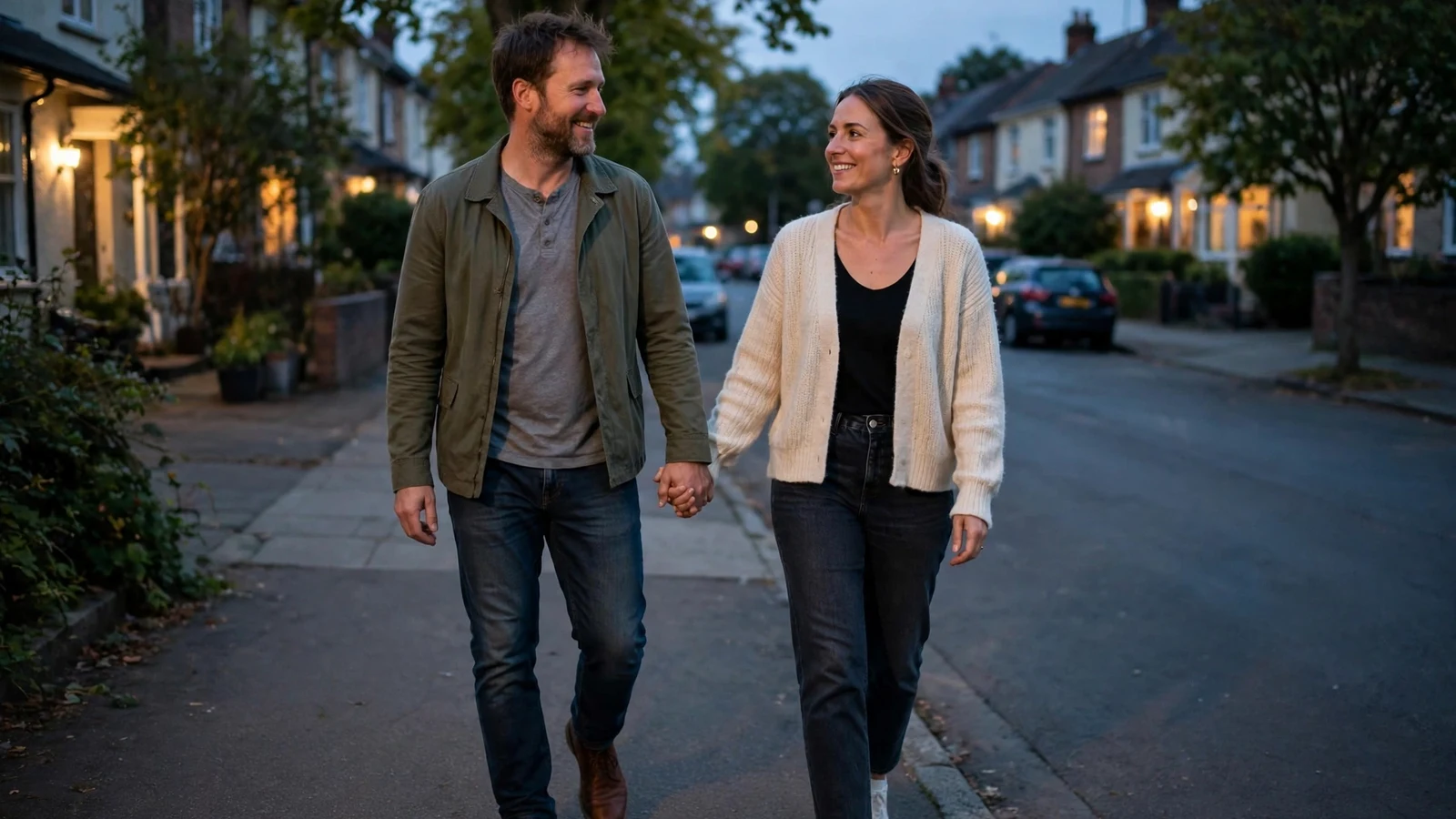
Mark fixed the faucet again last week. This time, Elena thanked him for it out loud, and then she asked for the other thing, the walk after dinner with no phones, and he said yes. The faucet is still fixed. The walk is what changed. Which map explains your marriage better right now, the languages or the loop, and what is one small try you could make this week?
Going through something similar?
Share your experience anonymously with the Ever After Daily community. Every story is read by a human editor before anything is published.
Share Your Story