8 Ways Couples Say I Love You Without Words
Some of the loudest I love yous never get said out loud. Eight small wordless gestures, from a warm car to a cup of coffee, that tell your partner they matter.

8 Ways Couples Say I Love You Without Words
Saturday, 7:10 a.m. The house is still quiet when Tom comes downstairs. He fills the kettle, sets two mugs on the counter, and puts hers on the left, where she always reaches for it. He never announced this. She never asked for it. When Lisa comes down ten minutes later, the mug is already there, warm in her hands before she has said a word. She does not say thank you. She does not need to. She squeezes his shoulder on her way past, and that is the whole conversation.
Married couples say I love you hundreds of times a year, and the words matter. But some of the clearest I love yous never get said at all. They get poured, warmed, folded, held, and handed over. A gesture says something words cannot say on their own: I was thinking of you when you were not in the room. Here are eight of them, the small ones that carry the most weight.
The eight gestures


- Coffee ready. The mug is on the counter before your partner comes downstairs, made the way they like it. Not a grand breakfast in bed. Just hot coffee, in their mug, in their spot, ready before she comes down. It says: I started my day by thinking of yours. Couples who keep a morning coffee ritual know this one by heart, and the ones who do it best never make a speech about it.
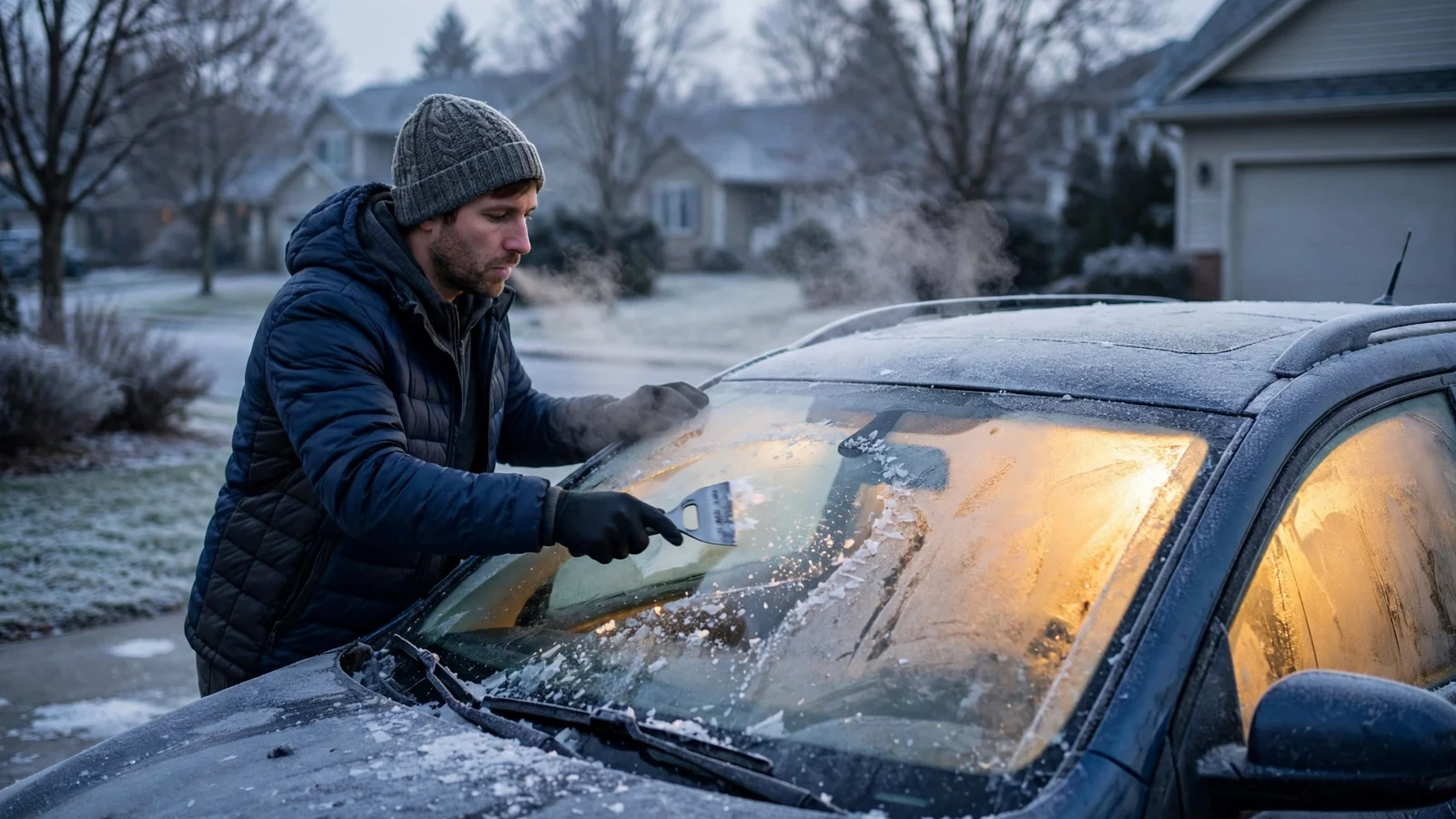
- Car warmed. On a cold morning, one of you goes out first and starts the car, scrapes the windshield, and turns the heat up. Your partner steps out of the house into a warm seat instead of a cold steering wheel. It takes five minutes and frozen fingers, and it says: I took the cold part of your morning so you would not have to.
- Blanket. Your partner falls asleep on the couch, and you cover them with the soft blanket from the armchair instead of waking them to go to bed. You turn the lamp down low and let them sleep where they are. It says: rest matters more to me than the routine, and I will keep watch while you do.
- Note. A few words on a sticky note, left where they will find it: on the bathroom mirror, in the lunch bag, on the steering wheel. “You did great yesterday. Proud of you.” “Good luck today. You have got this.” The note takes thirty seconds to write, and your partner carries it in their pocket all day. It says: I wanted you to find this when you needed it, not when I happened to be standing there.
- Hand. Reaching for their hand in the car, on a walk, or across the couch, for no reason at all. Not a signal, not the start of something else. Just a hand, held because you wanted to hold it. Couples who hold hands in ordinary places know this one well. It says: I am here, and I am yours, and I do not need a reason to touch you.
- Door held. Holding the car door, the front door, or the restaurant door, and waiting while your partner walks through first. It looks old-fashioned, and that is the point. It slows the two of you down for two seconds, and it says: you go first. I am in no rush to get past you.
- Favorite snack. Their favorite chips in the pantry without being asked. The ice cream they like, in the freezer, bought on a regular grocery run. The tea they drink when they are tired, already on the shelf. It says: I pay attention to what you like, and I keep it close, so it is there when you want it.
- Quiet company. Sitting beside them without a phone, without a show, without a plan, just there. On the porch after dinner, on the couch after the kids are down, in the car on a long drive. No talking required. It says: I like being near you even when we have nothing to say, and that is enough for me.
Why wordless love lands

Words can be spent carelessly. A person can say I love you while scrolling through their phone, while walking out the door, while thinking about something else entirely, and the words lose their weight a little each time. A gesture costs time and attention. You cannot warm a car while thinking about something else. You cannot make coffee the way your partner likes it without remembering how they take it. The gesture proves someone was thinking of you when you were not in the room, and that proof is what makes it land.
Wordless love also reaches the days when words feel hard. After a fight, after a bad week, after a night of poor sleep, “I love you” can stick in the throat. A hand on a shoulder does not stick. A mug on the counter does not stick. A gesture lets a couple say the thing before they are ready to say it out loud, and sometimes the gesture is what makes the words possible again. Tiny ways to say I love you work the same way: small, concrete, and impossible to fake.
Start with one. Pick the gesture on this list that fits your partner best, the one they would notice without being told, and do it this week without announcing it. Then ask at dinner which one they felt. You may be surprised how much a warm car or a quiet hand can say, and how long your partner remembers it.
Frequently asked questions
Do wordless gestures count if my partner never notices them?
Yes, and most of them get noticed more than you think. A partner may not comment on the warm car or the coffee on the counter, but they feel it, and they miss it on the mornings it does not happen. If you want to be sure, ask once, plainly: “Did you notice I warmed the car this morning?” One honest answer tells you more than a week of guessing.
What if my partner’s love language is words?
Then keep saying the words, and add one gesture beside them. A person who needs to hear I love you still feels the coffee, the blanket, and the held hand. Gestures do not replace words for a words person. They back the words up, so the words sound true instead of routine.
Can a gesture replace saying I love you?
No. Gestures and words do different jobs, and a marriage needs both. A gesture shows love in the moment. The words name it, so there is never any doubt about what the gesture meant. Say it out loud too, and let the gestures prove you meant it.
Keep Reading
If this hit home, these might too:
- Tiny Ways to Say I Love You
- Couples Who Hold Hands at the Grocery Store
- Morning Coffee Ritual for Couples
Going through something similar?
Share your experience anonymously with the Ever After Daily community. Every story is read by a human editor before anything is published.
Share Your Story