
Couples Who Host Sunday Dinner for the Grown Kids
The kids are grown and gone, but Sunday dinner still brings them home. Here is how one couple keeps the table full, the pot big, and the door always open.
Couples Who Host Sunday Dinner for the Grown Kids
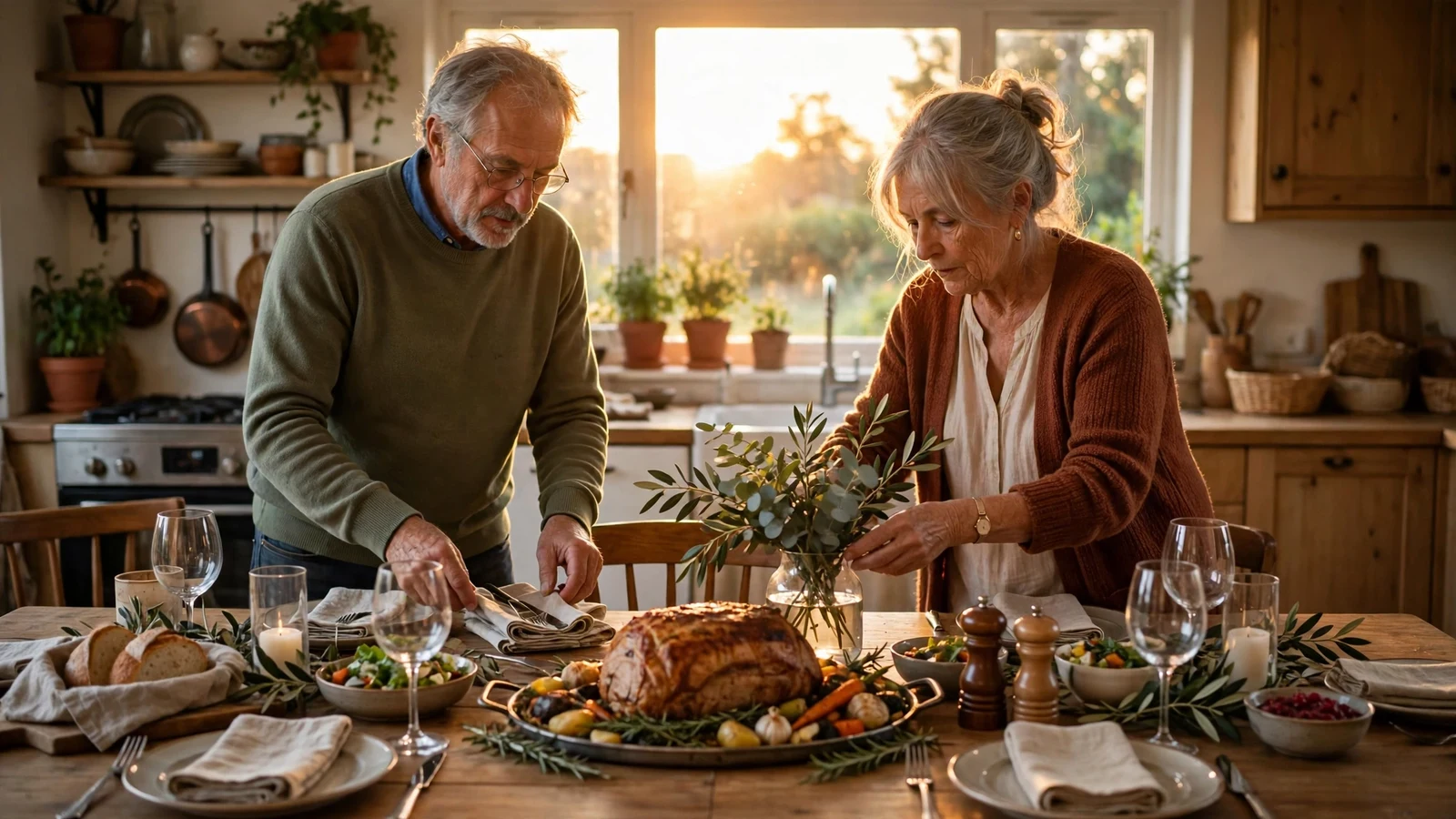
The text goes out on Wednesday, every week, without fail. “Sunday. Five o’clock. Pot roast.” It goes to all three kids, in the same group chat, with the same words, and nobody has to answer. They know the door will be open. They know the pot will be on the stove. They know their father will be at the grill or at the table, and their mother will be in the kitchen with flour on her hands, and the chairs will be where they always were.
My husband started the text chain the year our youngest moved out. “Same time, every week,” he said. “No RSVP needed. If you can come, come. If you cannot, we will save you a plate.” That was six years ago. The kids have missed Sundays for work, for trips, for sick babies, for bad weather. They have never missed one because they forgot. Sunday at five is not a date on a calendar. It is a place they can come back to.
The invitation
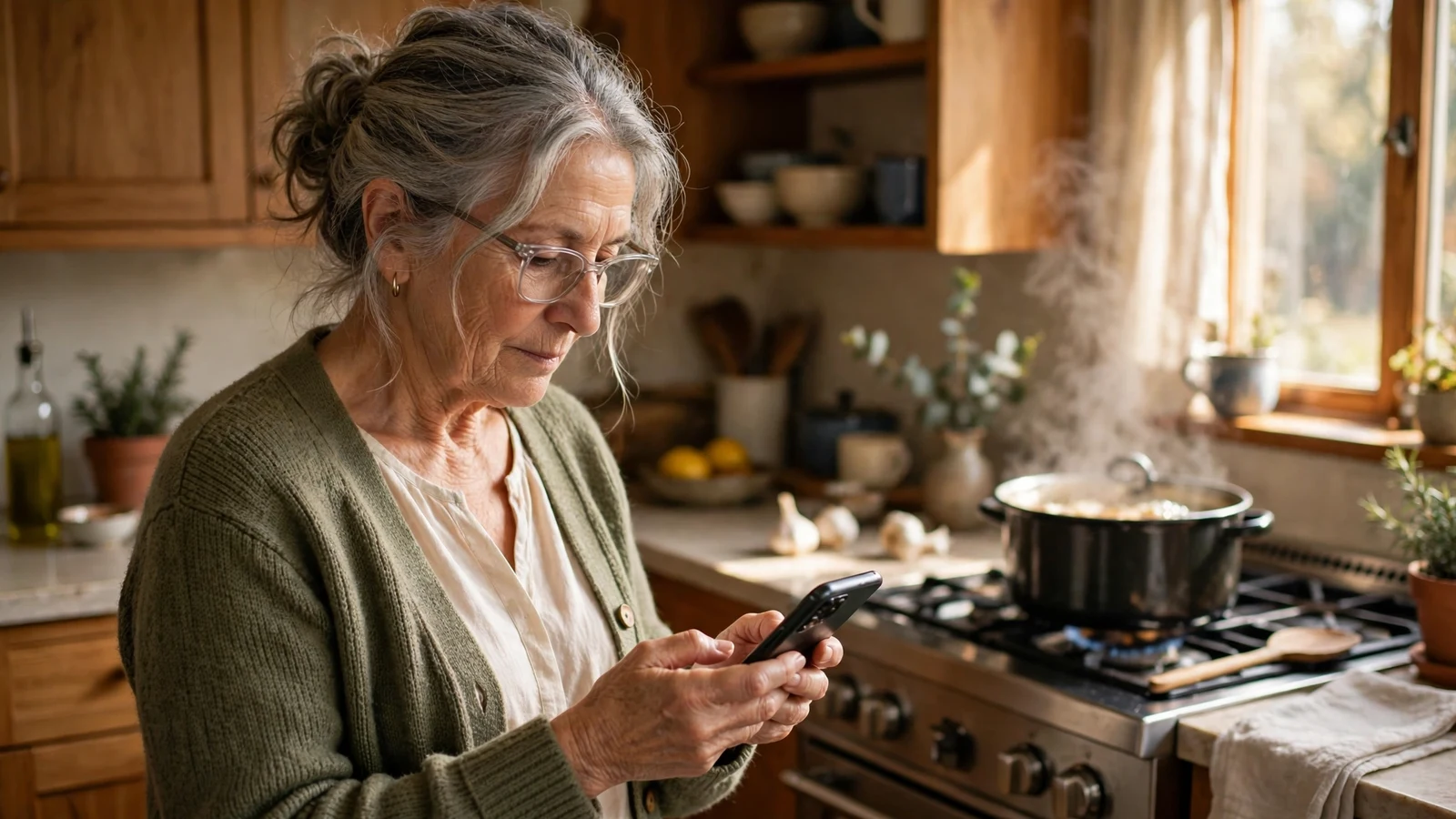
The invitation works because it never changes. Same time, every week, no RSVP needed. The kids do not have to check their calendars and text back and wait for a reply. They do not have to ask if they can bring a friend, because the answer is always yes. They do not have to ask what to bring, because the answer is always nothing. The invitation is a standing fact, like the sun coming up, and standing facts are easy to count on.
We send the text on Wednesday because Wednesday gives them time to plan, and it gives us time to shop. The text is short on purpose. “Sunday. Five o’clock. Pot roast.” Or “Sunday. Five o’clock. Spaghetti.” Or “Sunday. Five o’clock. Soup and bread.” The menu changes. The time does not. The kids read the text and they know what Sunday looks like, and they can decide without a phone call, without a debate, without the back and forth that kills a plan before it starts.
No RSVP needed is the part that matters most. Grown kids have jobs, and partners, and babies, and lives that do not run on a schedule. A dinner that needs an RSVP is a dinner that gets skipped, because the RSVP becomes one more thing to do in a week that already has too many things in it. A dinner that needs nothing is a dinner they can say yes to on Sunday morning, when they wake up and think, “I could go home today.” That Sunday morning yes is worth more than a month of planning.
If a kid cannot come, we save a plate. We put it in a container, with a note on the lid that says whose it is, and we leave it in the fridge. The kid picks it up on Monday, or Tuesday, or whenever the week allows. The plate says what the invitation says: you are still part of this table, even when you cannot sit at it. One of our sons ate his saved plate standing in our kitchen on a Tuesday night, straight from the container, and said, “This tastes like Sunday.” That is the whole point.
The invitation extends to the people our kids love. A boyfriend, a girlfriend, a new spouse, a friend who has nowhere to go on a Sunday: they are all welcome, and they do not need to ask. My husband says, “The more chairs, the better the dinner.” He means it. A table that grows is a table that lives. A table that stays the same size is a table that is slowly getting smaller.
The table
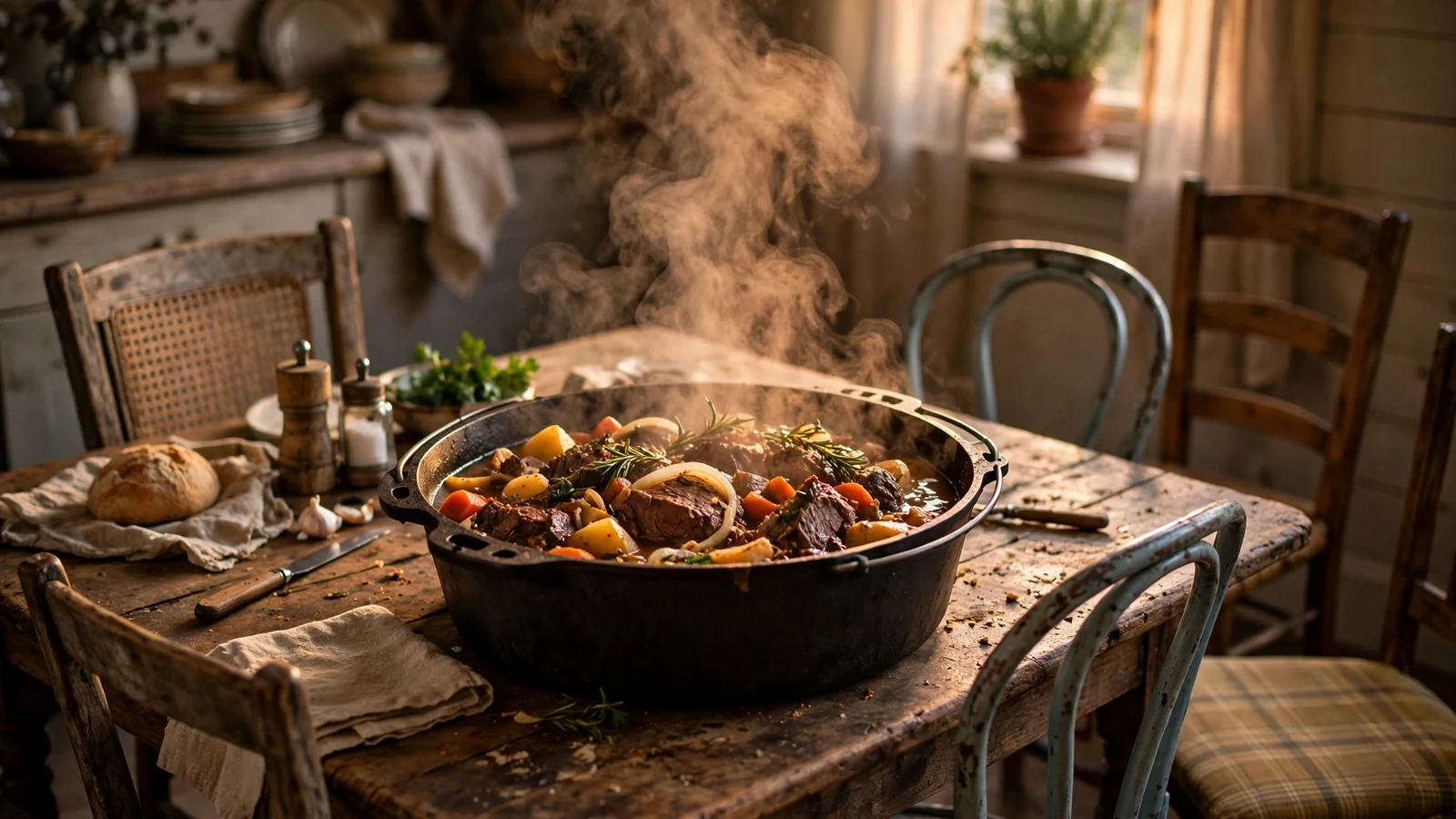
The table is the same table we have had for thirty years, and it has the scars to prove it. There is a ring where a hot pan sat down in 1998. There is a nick on the edge where a toy truck ran into it in 2004. There is a spot near my husband’s end where the varnish wore thin from his elbows, because he has sat in the same chair for thirty years and he is not moving now. The table is not pretty. It is ours.
One big pot is the rule. Pot roast, spaghetti, soup, stew, a chicken in the oven with potatoes around it: one pot, one pan, enough for whoever comes. My husband says a big pot is cheaper than a small one, because you cook once and eat twice, and the leftovers carry you through Monday. He is right about the money, and he is right about something else, too. A big pot means nobody counts portions. Nobody takes a small serving so somebody else can have more. There is enough. There is always enough.
The chairs fill and empty, and that is the rhythm of a Sunday now. Some Sundays all three kids come, and the partners come, and the grandbaby comes, and the table is full and loud and somebody has to bring a chair in from the other room. Some Sundays only one kid comes, and the table is quieter, and the talk is slower, and that is good too. Some Sundays nobody comes, and my husband and I eat the pot roast by ourselves, and we save three plates, and we talk about the week, and the house is quiet in a way that feels full instead of empty.
The food is simple on purpose. We tried fancy once, and we spent the whole evening in the kitchen instead of at the table. We never did that again. Sunday dinner is not a performance. It is a pot on the stove and a table with chairs and people who love each other. The dinner for two we cook on the other nights is the same idea, smaller: one pot, one table, the two of us. Sunday is the bigger version of the same habit.
The talk at the table is the real meal. The kids tell us about work, about the baby’s first tooth, about the car that needs new brakes, about the neighbor who plays music too loud. We tell them about the garden, about the roof, about the book we are reading. Nobody gives advice unless somebody asks for it. Now we listen first. The listening is the gift. The pot roast is only the excuse.
The Sunday someone new comes
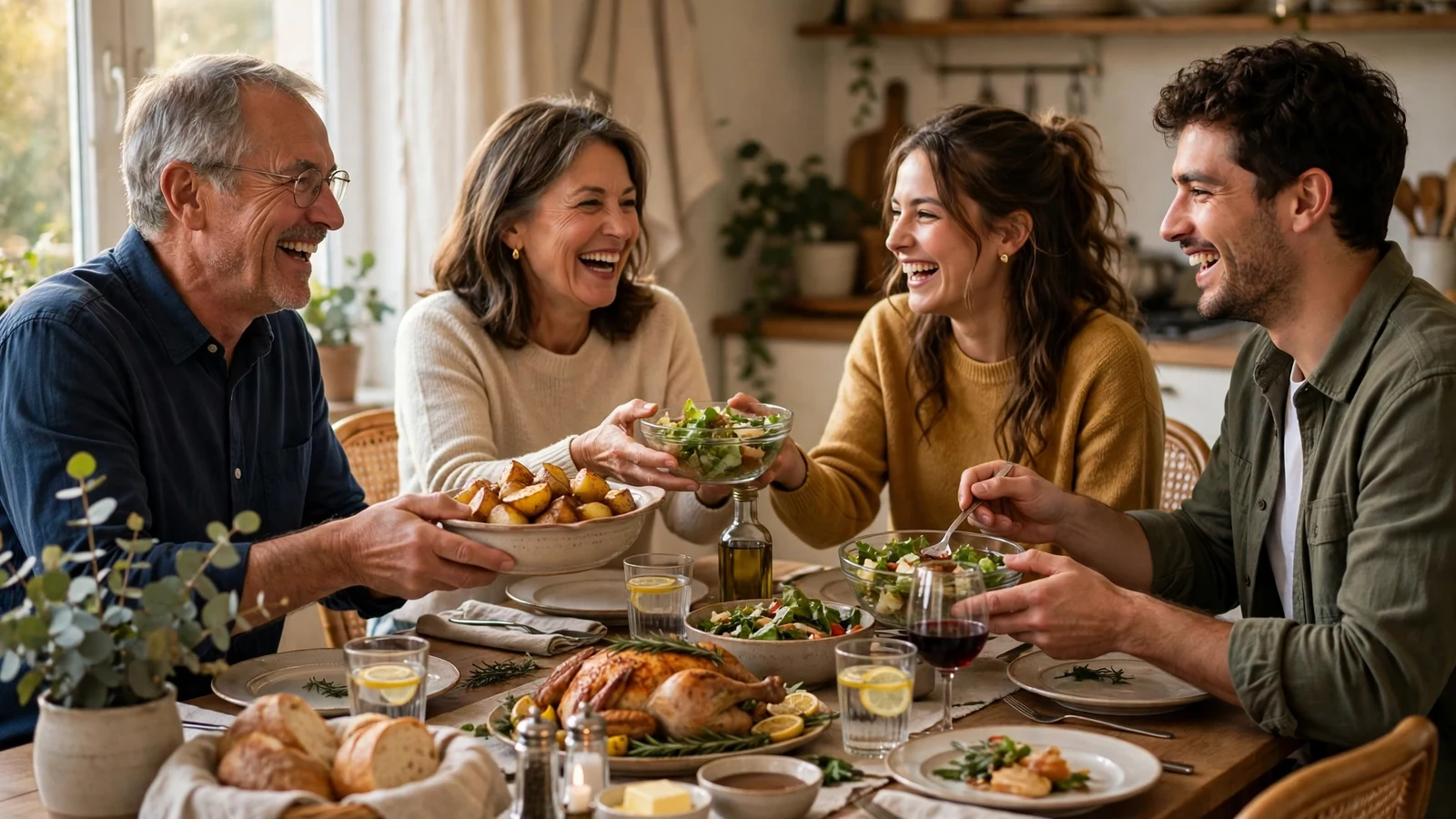
The Sunday someone new comes is the Sunday you find out what your table is really for. Our daughter brought her boyfriend for the first time on a Sunday in October. She texted on Saturday night, “Can I bring Mark?” My husband texted back, “Bring Mark. And bring his appetite.” Mark arrived at five with a bottle of wine and a look on his face that said he had practiced what to say in the car. He need not have bothered. By six he was on his second helping of pot roast. By seven he was helping my husband fix the wobbly leg on the spare chair. By eight he was laughing at a story about our daughter at age nine, and our daughter was laughing too, and the table had one more person in it, and it felt like he had always been there.
A new person at the table changes the talk. The kids tell the old stories, the ones the new person has never heard, and the stories come out fresh because somebody is hearing them for the first time. My husband tells the story about the dog and the birthday cake. I tell the story about the time our son locked himself in the bathroom. The new person laughs, and the kids laugh, and the table gets a little bigger in chairs and in memory. That is how a family grows. One chair at a time, one Sunday at a time.
Make the new person welcome the way you would want to be welcomed. Give them the good chair, the one by the window. Ask them what they like to eat, and cook it the next time they come. Do not ask them about their plans for the future unless they bring it up. The future will come. Sunday is for the present: the pot, the table, the talk. A new person who feels welcome on a Sunday will come back on the next Sunday, and the one after that, and one day they will be the one texting, “Sunday. Five o’clock. Can I bring anything?”
The table has room for the friends, too. One of our sons brought a friend who had just moved to town and knew nobody, and that friend came for three Sundays in a row before he found his own place and his own people. He still texts us on holidays. He calls my husband “sir” and me “ma’am,” and he sends a card every Christmas. A Sunday table that takes in a stranger for a month is a table that does its job. The job is not the food. The job is the welcome.
When Sunday dinner skips a week
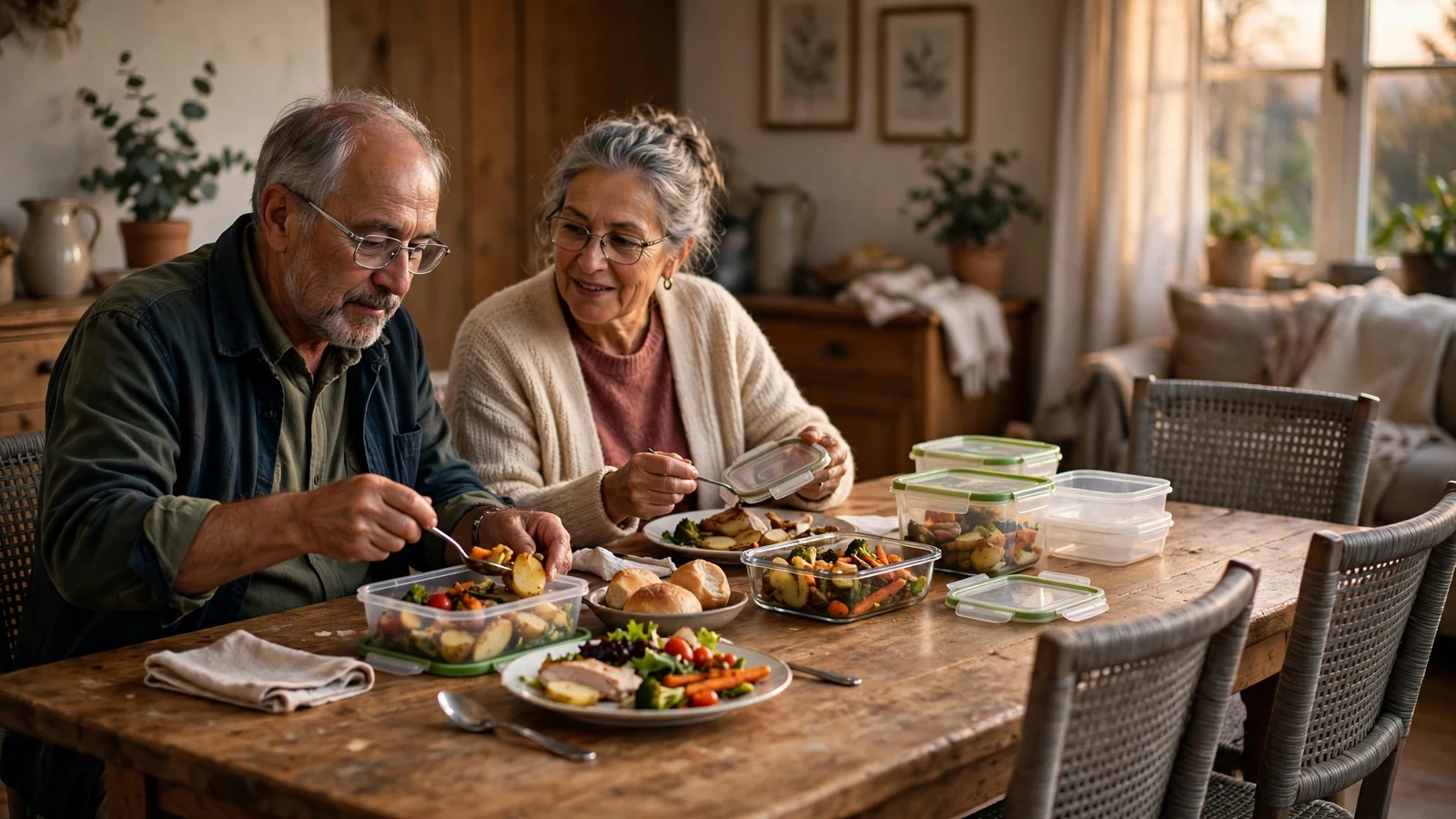
Some weeks Sunday dinner does not happen, and that is fine. A holiday falls on a Sunday. A kid gets sick. We go away for a weekend. The pot stays in the cupboard, and the table stays empty, and nobody panics. A tradition that cannot skip a week is not a tradition. It is a chore. Sunday dinner works because it bends. It bends, and it comes back.
When a week is skipped, the next Sunday matters more, not less. The kids come back hungrier, for the food and for the talk. The table fills faster. The stories come quicker. The gap reminds everyone what the table is for, and the return reminds them that it is still there.
If the Sundays start slipping, if a month goes by with no dinner, do not wait for the perfect week. Send the text on Wednesday, the same as always. “Sunday. Five o’clock. Soup and bread.” Keep it simple. Keep it standing. The kids will come, because the invitation never changed, and the door was never locked. A table that waits is a table that loves. Keep the pot big, keep the chairs out, and keep Sunday at five.
The weekly talk we have on our own, just the two of us, is what keeps Sunday dinner steady. It is where we decide the menu, and the shopping, and the chairs, and it is where we say the thing that matters most: the kids are grown, and they are gone, and they still come home. That is not a small thing. That is everything. Sunday at five, pot on the stove, door open. Come home.
Frequently asked questions
What if our grown kids live too far away to come every Sunday?
Then make the invitation fit the distance. A video call at five on Sunday, with the same pot on the stove at both ends, keeps the habit alive. Or pick one Sunday a month, and make it the one they drive in for. The rhythm matters more than the number. One Sunday a month, kept faithfully, holds a family together.
What should we cook for Sunday dinner?
Cook one big pot of something simple, the way we do. Pot roast, spaghetti, soup, stew, a chicken with potatoes. Cook what you know how to cook well, and cook enough for whoever comes. A new recipe can wait for a Tuesday. Sunday is for the food that tastes like home.
How do we handle it when only one kid comes, or none?
Enjoy the table you have. One kid at the table is a good Sunday, and no kids at the table is a quiet dinner for two, with plates saved in the fridge. The table does not fail when it is empty. It waits. Send the text again on Wednesday, and the chairs will fill again.
What is on your Sunday table? Tell us in the comments, if you are willing. Your pot roast might be the recipe another couple has been looking for.
Going through something similar?
Share your experience anonymously with the Ever After Daily community. Every story is read by a human editor before anything is published.
Share Your Story


