Couples With Separate Hobbies Might Be Onto Something
Doing everything together sounds romantic and quietly costs marriages a lot. Why separate hobbies give couples more to talk about, and where the line is.

Couples With Separate Hobbies Might Be Onto Something
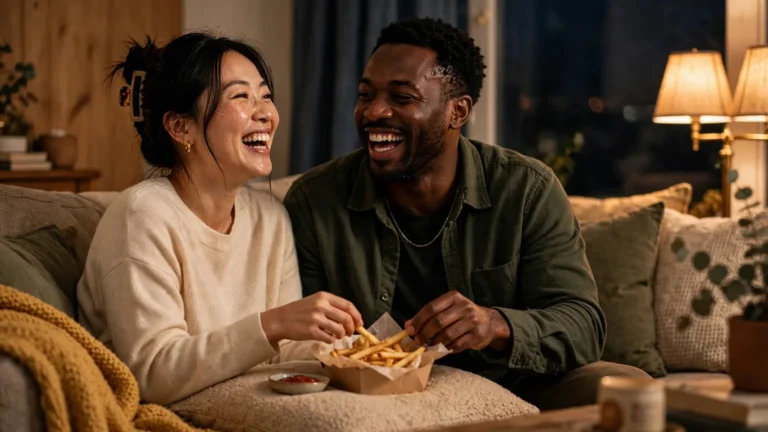
Somewhere along the way, “doing everything together” became the gold standard of a good marriage. Same shows. Same friends. Same Saturday plans, negotiated down to the hour. And a lot of couples followed the script perfectly and ended up sitting across from each other at dinner with absolutely nothing to say.
Here is the counterintuitive truth nobody puts on a wedding card: the couples who keep a little of their lives separate often stay more interesting to each other than the couples who merge everything. Separate hobbies are not a crack in the marriage. Sometimes they are the thing holding it together.
The myth that togetherness equals closeness

The myth says closeness comes from shared hours. More time together, more connection. So couples start doing everything side by side, and at first it feels lovely. Then one person’s interest quietly gets shelved to make room. She stops going to the pottery studio because he is bored waiting. He gives up the Saturday cycling group because she feels left out. The calendar becomes one shared block of compromise.
What it costs is sneakier than anyone admits. When you do everything together, you stop having anything to tell each other. Dinner conversation becomes logistics: bills, kids, the fence that needs fixing. Nobody is bringing home a story. Nobody is a little bit lit up about something the other person doesn’t fully understand. The marriage turns into a well-run household with two managers and no mystery.
And here is the part nobody says out loud: forced togetherness breeds a low, humming resentment. Not the explosive kind. The kind where she watches him scroll through his phone during their shared show and thinks, “I gave up my studio for this?” The kind where he sits through her friend’s dinner party smiling and thinks, “I used to have a life.” Nobody is the villain. The script is.
What separate pursuits give back

Give each person one thing that is theirs, and watch what comes back into the marriage.
First, you get stories. A woman I know started a Tuesday night pottery class after ten years of doing everything with her husband. The first month, she came home with clay under her nails and talked for twenty minutes about a lopsided bowl like it was a triumph. Her husband, who had been half-listening to her for a year, was suddenly asking questions. She had something to say that wasn’t about the kids or the mortgage. She was interesting again, because she was interested in something.
Second, you get missing each other. Absence in small doses is a feature, not a bug. He spends Saturday morning in the garage rebuilding an old radio, and by lunch he is genuinely glad to see her. She goes to her book club and comes home with opinions and gossip and energy. The reunion has a little spark because there was a little separation. Couples who are never apart forget what it feels like to be glad someone walked through the door.
Third, you get a self that isn’t only “spouse.” This is the big one. When your whole identity is the marriage, every rough patch feels existential, because there is nothing else holding you up. A hobby is a small, sturdy platform that belongs to you alone. It makes you steadier in the marriage, not more distant from it. The woman with the pottery class handles a hard week better. The man with the radio is easier to be married to. Whole people make better partners than halves waiting to be completed.
This is also why the introvert-extrovert couples do well with an introvert married to an extrovert arrangement: separate social lives are just hobbies with people in them.
The line between separate and secret

Separate has rules, or it curdles into something else. Honesty is the whole difference between a hobby and a hiding place.
The rules are simple and non-negotiable. No hidden spending: the pottery class, the cycling gear, the workshop tools are all on the books, part of the shared budget conversation. No hidden friendships: if the hobby comes with people, those people are known, named, and welcome in the story you tell at home. And the calendar is shared: she knows he is at the garage Saturday morning the way he knows she is at the studio Tuesday night. Separate schedules, not secret ones.
Watch for the warning signs. If you find yourself lying about where you were, or the hobby consistently matters more than the marriage, or you are sharing emotional intimacy with a hobby friend that you have stopped sharing with your spouse, that is not a hobby anymore. That is an exit with better lighting. The hobby should feed the marriage. The day it starts starving it, the arrangement needs an honest conversation, the kind how to talk to your spouse about feelings was written for.
How to start when you’ve done everything together for years

After a decade of merged calendars, “get a hobby” can feel like being told to become a different person. Start smaller. The low-stakes experiment: each of you picks one thing, just for four weeks. Not a passion. Not a identity. One class, one group, one Saturday morning project. A cooking class. A running group. The community garden plot. Something with a door you walk through and other humans on the other side.
Have the permission conversation first, because the guilt is real. One of you will think, “Is it selfish to want Tuesday nights for myself?” Say it out loud to each other: “I want us to each have one thing that is ours. Not because anything is wrong. Because I think we will like each other more.” Framing it as a gift to the marriage, which it is, dissolves most of the guilt.
Then protect the experiment. Four weeks, no auditing, no scorekeeping about whose hobby costs more or takes more time. At the end, talk about it like adults trying something, not defendants justifying an expense. Most couples are surprised by how quickly the house feels lighter. And if one person’s thing fizzles, that is fine too. The point was never the pottery. The point was the separate self.
The one honest caveat
Separate hobbies will not fix a marriage that is already distant. If you and your spouse are living like polite roommates, him in the garage and her in the studio will just give you nicer rooms to be lonely in. Distance needs repair, not activities. If the silence between you has weight to it, start with marriage feels like roommates and have the real conversation first. Hobbies are fertilizer for a living marriage. They cannot revive one that needs actual attention.
But for a marriage that is fundamentally warm, a little separation is one of the kindest things you can do for it. Go be interesting somewhere. Come home with clay under your nails and a story to tell. The best marriages I know are two whole people who keep choosing each other, not two halves afraid to be apart.
So tell me in the comments: what is the one thing that is yours, and what did it give back to your marriage? Some couple reading this tonight needs your permission slip.
Keep Reading
If this hit home, these might too:
- spouses who are best friends
- marriage feels like roommates
- things happily married couples do
- introvert married to an extrovert
- alone time in marriage
- talk to your spouse about feelings
Going through something similar?
Share your experience anonymously with the Ever After Daily community. Every story is read by a human editor before anything is published.
Share Your Story